
Event marketing in 2026 is about more than promoting a date, venue and agenda. It is about giving people a compelling reason to attend, building confidence throughout the delegate journey and demonstrating measurable value from your campaign.
With audiences becoming increasingly selective about where they spend their time and budget, event organisers need to communicate not only what is happening but why being there matters.
In this guide, ICC Belfast shares 10 practical event marketing strategies designed to help event organisers attract the right audiences, increase registration, strengthen engagement and maximise return on investment (ROI).
At the heart of each strategy is one simple principle: Deliver the complete delegate experience, through the content, connections, destination, journey and lasting value of being in the room.
Why event marketing matters more than ever
The competition for delegates’ time, attention and budgets has never been greater. Event organisers are operating in crowded markets, facing increased pressure on available spend and being asked to demonstrate a clear ROI. At the same time, delegates are becoming more selective about which events they will dedicate their time, travel and attendance to.
Effective event marketing therefore needs to do more than generate awareness. It needs to communicate value, remove barriers to attendance, build anticipation and give prospective delegates confidence that the experience will be worth their investment.
So, how can you achieve that?
1. Start marketing earlier than you think
Successful event marketing starts long before tickets go on sale. Ideally, your early planning should establish who you want to reach, what matters to that audience and what you want your campaign to achieve.
Define clear SMART objectives covering areas such as registrations, audience growth, engagement, revenue or delegate conversion. These objectives will provide direction throughout the campaign and make it easier to evaluate performance post-event.
This is also the time to establish your event narrative, identify your strongest campaign channels and begin building relationships within the communities you want to attract.
Marketing early does not mean selling immediately. It means creating awareness, understanding your audience and giving yourself enough time to build interest.
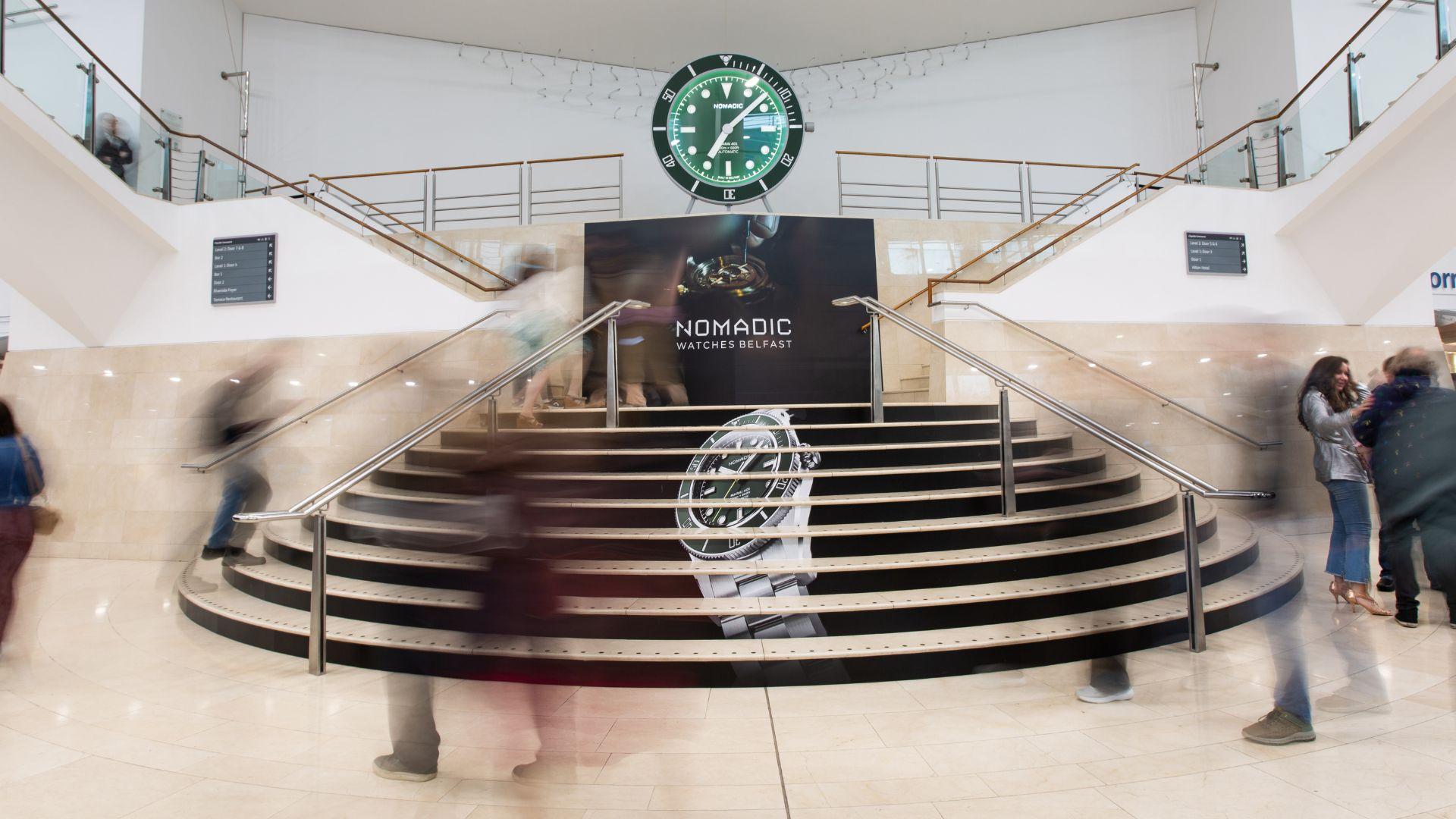
In 2025, Nomadic Watches, an independent Belfast watch company, unveiled a striking installation of its iconic Maraí 401 timepiece on our Cityside Concourse. The activation set the scene for something exciting to come while marking the beginning of a new partnership and introducing the Nomadic Watches brand to thousands of visitors passing through our venue.
2. Embed every message in the delegate promise
Every event needs a clear answer to one key question: Why should I attend?
Your delegate promise should communicate what someone will gain from being in the room, whether that is new knowledge, valuable connections, professional development, inspiration or an experience they cannot access online.
That promise should be visible throughout your event marketing, from the website and registration page to emails, social media content, advertising and speaker communications.
Instead of just telling audiences what your event includes, show them what attending will enable them to learn, experience, achieve or become part of.
3. Segment delegates by needs, not just demographics
Job title and industry are useful audience markers, but they do not always explain why somebody decides to attend an event. Different groups will have different motivations.
A first-time attendee may need reassurance about what to expect whereas a returning delegate may be looking for new content or networking opportunities. A speaker may value visibility and thought leadership, while an international attendee needs confidence that travelling is worthwhile and the destination is accessible.
Consider creating tailored journeys for groups such as:
• First time attendees
• Returning delegates
• Speakers and contributors
• Exhibitors and sponsors
• Local audiences
• International delegates
For each audience, ask:
Why should they attend and what will make the experience worthwhile for them? In turn, this should shape the content they receive.
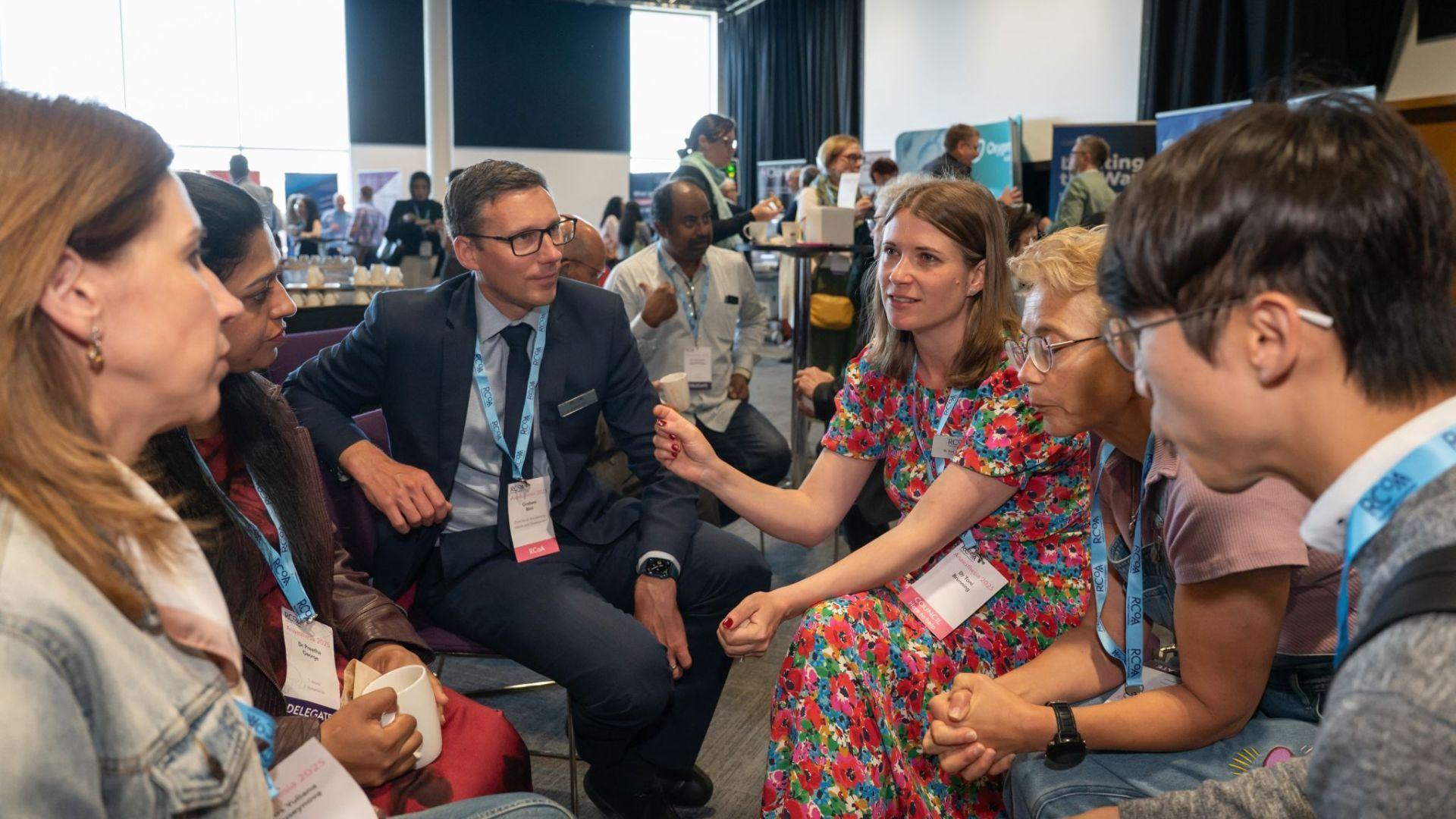
In 2025, ICC Belfast welcomed the Research Quality Association (RQA) and over 400 of its global quality community for its RQA International Conference. Across three days, Belfast became an international hub for learning, innovation and connection focused on real-world approaches to quality.
From day one, delegates heard from a range of sector leaders and industry professionals through conference streams, insightful keynotes, interactive round-table plenaries, Innovation Theatres, and exhibition and continuous networking for everyone.
4. Sell the destination as part of the event experience
For many conferences and events, particularly those attracting national and international audiences, delegates are choosing a destination as well as an event. There is a need to make the location part of the offering.
Show audiences what happens beyond the conference programme by highlighting the destination's hospitality, culture, restaurants, attractions, accommodation and opportunities to explore.
Practical considerations matter too. A walkable city, convenient transport connections and proximity between hotels, venues and social experiences can all influence the decision to attend.
Destination content should therefore sit alongside programme and speaker content rather than being treated as an afterthought.
The event experience starts before delegates arrive at the venue.

5. Make the delegate journey feel seamless
Uncertainty creates friction.
Good event marketing should answer practical questions before delegates need to ask them.
Provide clear, accessible information covering areas such as:
• Registration and arrival
• Airport and transport options
• Hotels and accommodation
• Accessibility
• Event timings
• Programme information
• Venue navigation
• Catering
• Networking opportunities
• Social activities
• What delegates should expect on the day
Think of your communications as part of the event experience itself. Simple instructions, mobile friendly information and consistent language can make delegates feel confident and prepared before they arrive.
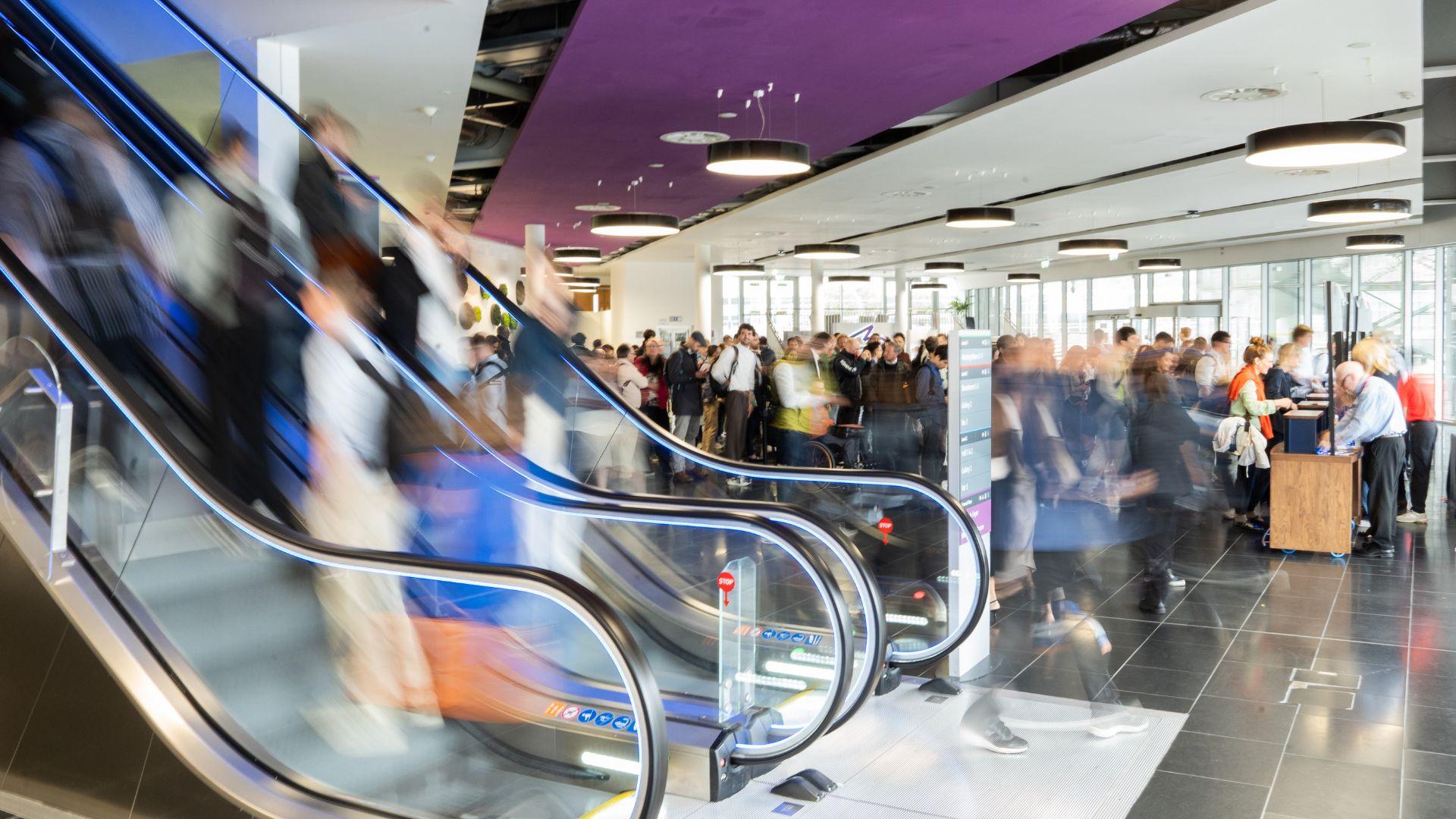
In June 2026, ICC Belfast welcomed political scientists from across Europe and further afield for the inaugural annual conference of the European Political Science Society (EPSS). EPSS 2026 created an important new platform for political scientists, junior scholars and established researchers to share ideas, challenge established thinking and build meaningful connections.
Using flexible meeting spaces across ICC Belfast and the adjoining Hilton Belfast, the event created a connected city-centre conference campus where delegates could share research, build professional relationships and experience Belfast beyond the formal programme.
6. Turn speakers, partners and ambassadors into advocates
Your organisation should not be the only voice promoting the event. Speakers, partners, sponsors, committee members, ambassadors and previous attendees can provide some of your most credible marketing. You can give them the tools to make sharing easy.
Create ready to use social graphics, suggested copy, short videos, email templates and event information that they can adapt and share on their own channels.
Where possible, encourage people to explain why they are attending, what they are looking forward to and why the event matters to their community.
People trust people. Authentic voices can often communicate the value of attending more effectively than traditional promotional content alone.

7. Build a consistent multi-channel campaign
Successful event campaigns rarely rely on one platform. Create a coordinated mix of channels that could include:
• Event website content
• Email marketing
• Organic social media
• Paid social campaigns
• Speaker content
• Partner marketing
• Short form video
• Delegate FAQs
• Media and PR activity
For B2B events in particular, LinkedIn can play an important role in reaching professional communities, showcasing speakers and encouraging conversation around key event themes. Consistency matters across every platform.
While campaign urgency should increase as the event gets closer, the main message should remain focused on the value of attending first and the booking call to action second.

8. Market the experience, not just the programme
An agenda tells people what is happening. Great event marketing helps them envision what it will feel like to be there.
Therefore, you need to show the atmosphere, connections and moments surrounding the programme itself. That might include previous delegate experiences, networking, social events, behind-the-scenes preparation, venue spaces, destination experiences, food and hospitality or reactions from previous events. Video content is particularly valuable for bringing this experience to life.
Speaker interviews, venue previews, client or attendee testimonials and informal behind-the-scenes clips can make an event feel more realistic while creating content that works across multiple channels.
The objective is to help your delegates picture themselves in the room.
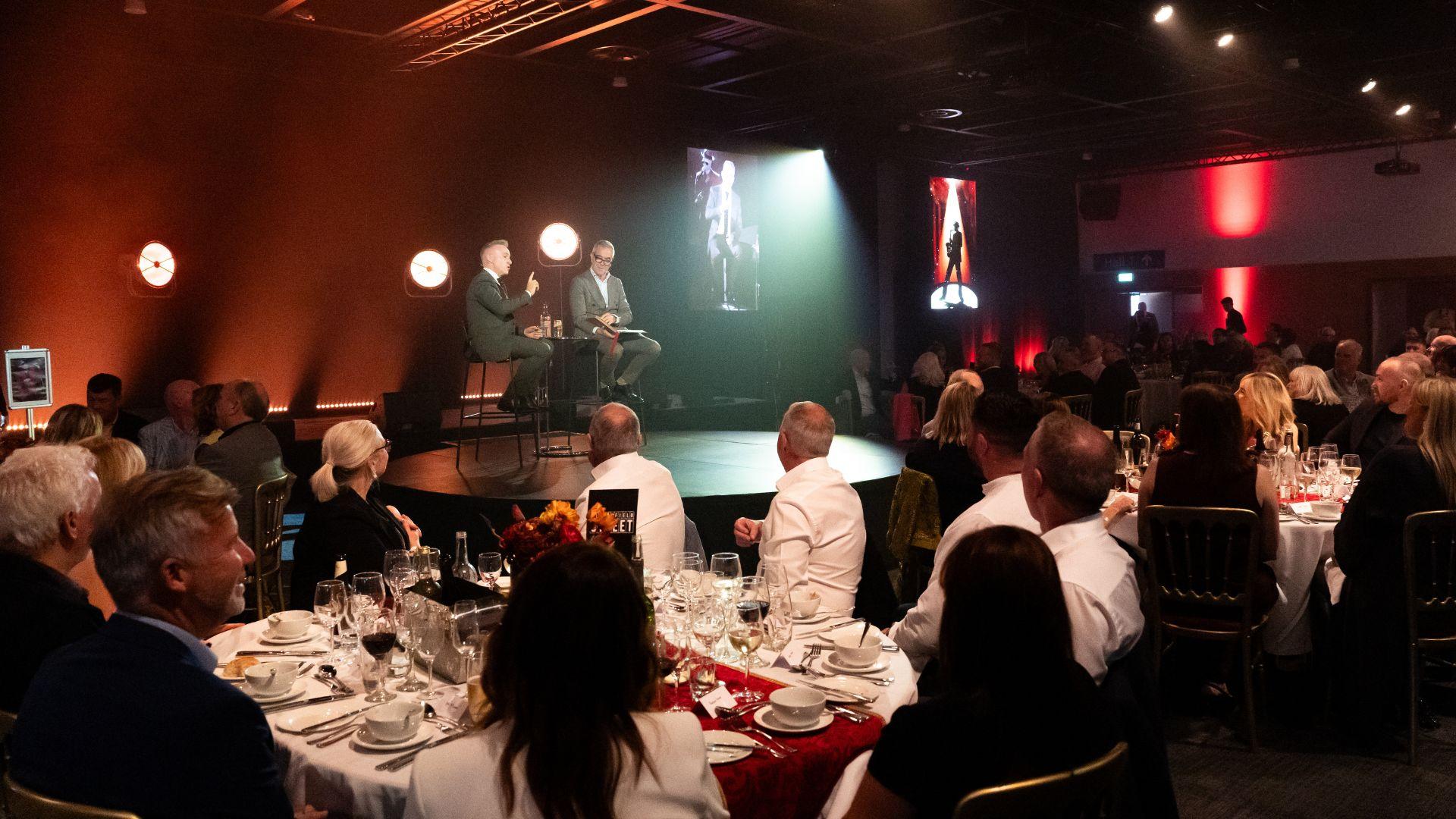
In honour of one of Belfast's true musical legends, we welcomed guests from across the globe for a once-in-a-lifetime evening in celebration of Van Morrison's 80th birthday. The night began with a special VIP immersive experience at ICC Belfast, inspired by Van's timeless music. Guests embarked on a nostalgic journey through his iconic legacy, narrated by actor James Nesbitt, before the night culminated in Van Morrison’s milestone birthday performance at the Waterfront Hall.
9. Use social proof and live content to build excitement
As the event approaches, show audiences that other people are choosing to be part of it.
Speaker announcements, registration milestones, testimonials, partner activity and attendee user-generated posts can all create social proof.
During the event itself, capture the experience while it is happening.
Plan in advance for:
• Photography
• Short video
• Speaker interviews
• Delegate reactions
• Behind-the-scenes moments
• Session highlights
• Destination content
• Sponsor activation
• Live social updates
Real time content can support sponsors, engage people following remotely and create a valuable bank of authentic material for your next campaign. It can also reinforce the sense that the event is somewhere people want to be.
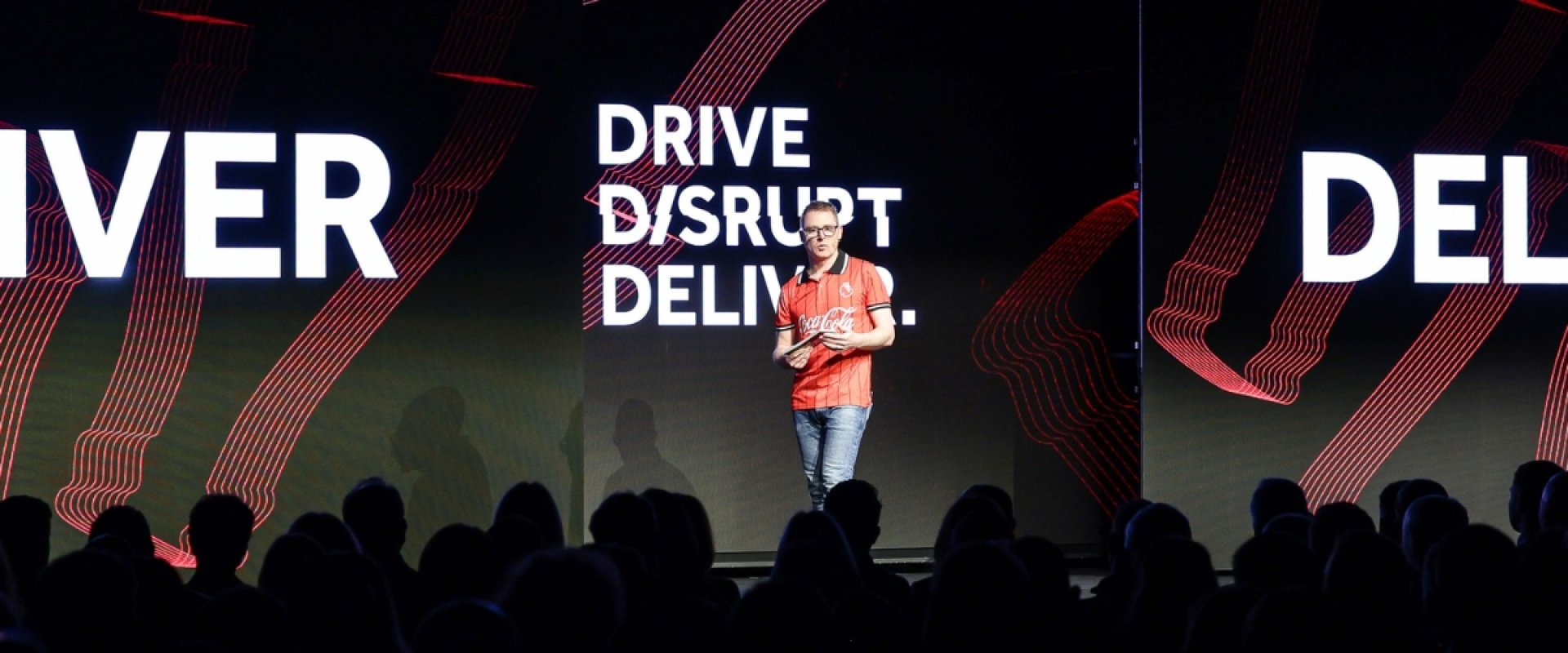
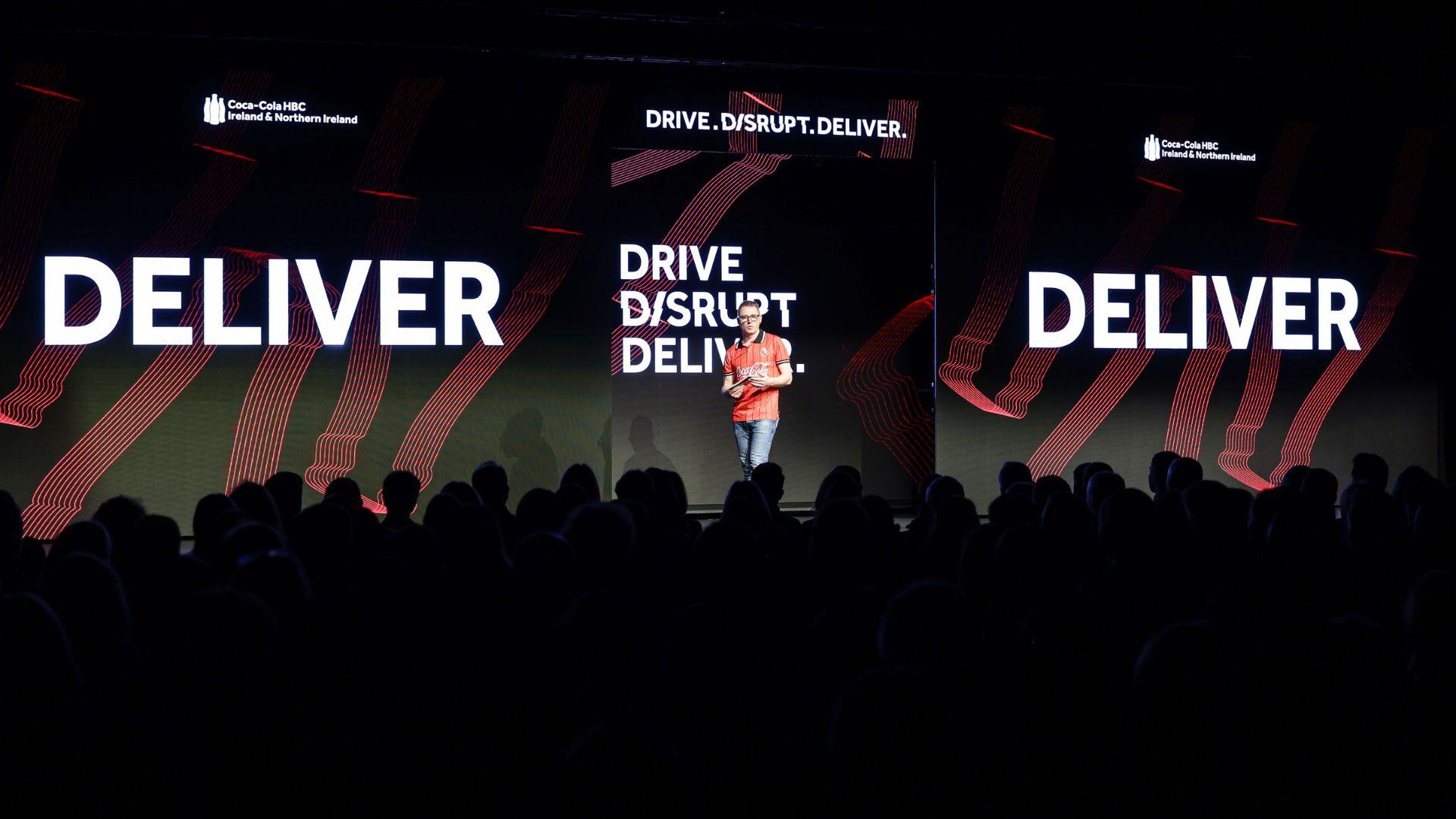
In February 2026, ICC Belfast welcomed the Coca-Cola HBC Ireland & Northern Ireland team to showcase their Drive, Disrupt, Deliver conference.
Welcoming 500 attendees, the event transformed our versatile spaces into immersive experiences, from a large-scale plenary and seven breakout areas to interactive brand showcases, simulations and themed environments. The experience continued at our sister venue, Ulster Hall, where guests enjoyed a bespoke evening of entertainment, food and a curated selection of drinks from CCHBC’s portfolio.
10. Measure what matters and continue the relationship
Event marketing does not finish when the doors close.
Post-event, review campaign performance against the objectives established at the beginning. Something to note, registrations are important, but they should not be the only measure of success.
Depending on your objectives, consider analysing the following:
• Registration conversion
• Website traffic
• Email engagement
• Social engagement
• Paid campaign performance
• Audience growth
• Delegate satisfaction
• Repeat attendance
• Future event interest
Then continue communicating with delegates.
Share useful session takeaways, highlights, resources, photographs, surveys and opportunities to stay involved with the community. Where appropriate, invite attendees to register their interest in future events or access early booking opportunities whilst they are in the venue or via post-event communications.
The objective is not simply to market one event. It is to build an audience that wants to return.
Put these learnings into practice
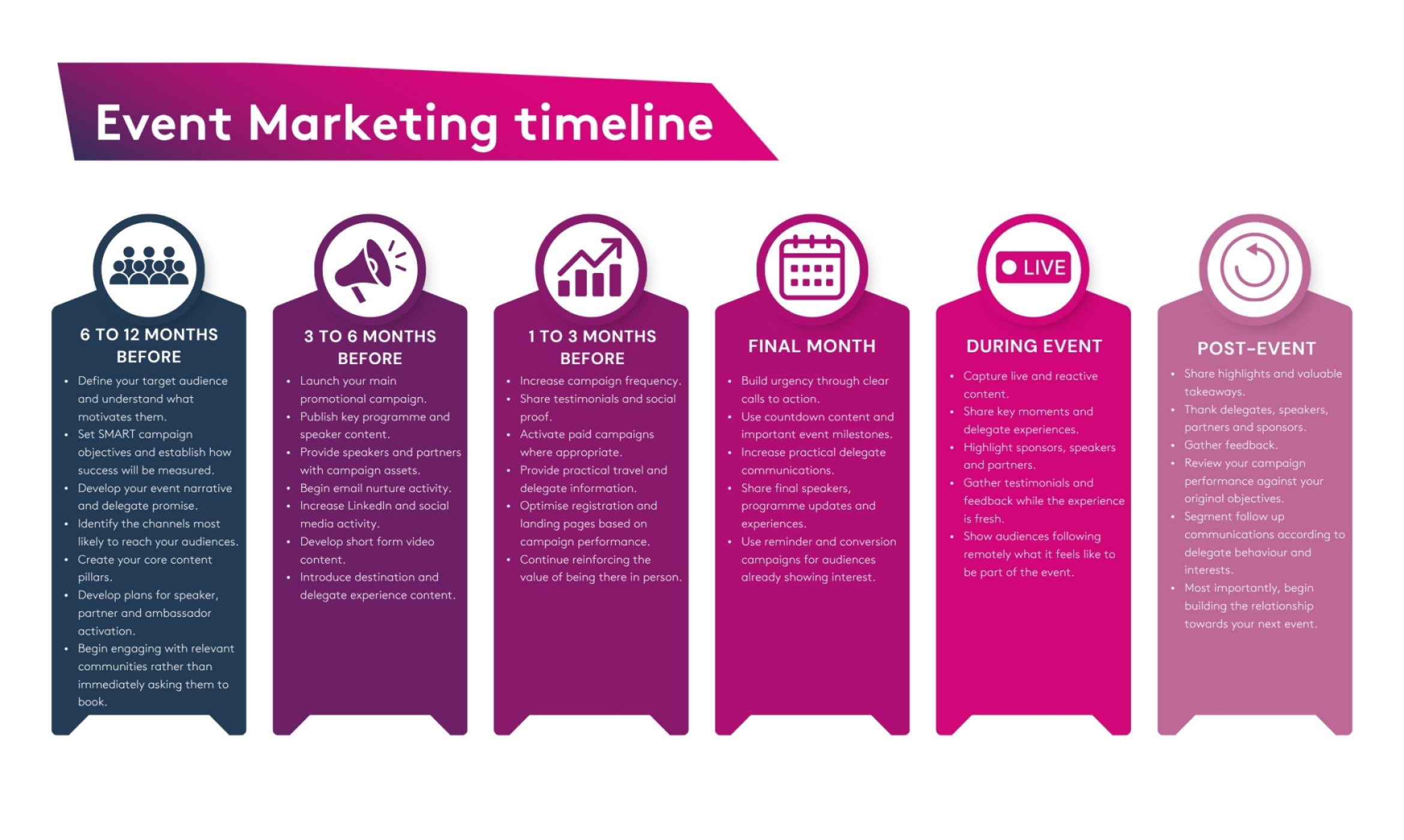
Event Marketing timeline
The strongest event campaigns build gradually rather than relying on a final push for registrations.
Use this simple timeline to help structure your activity.
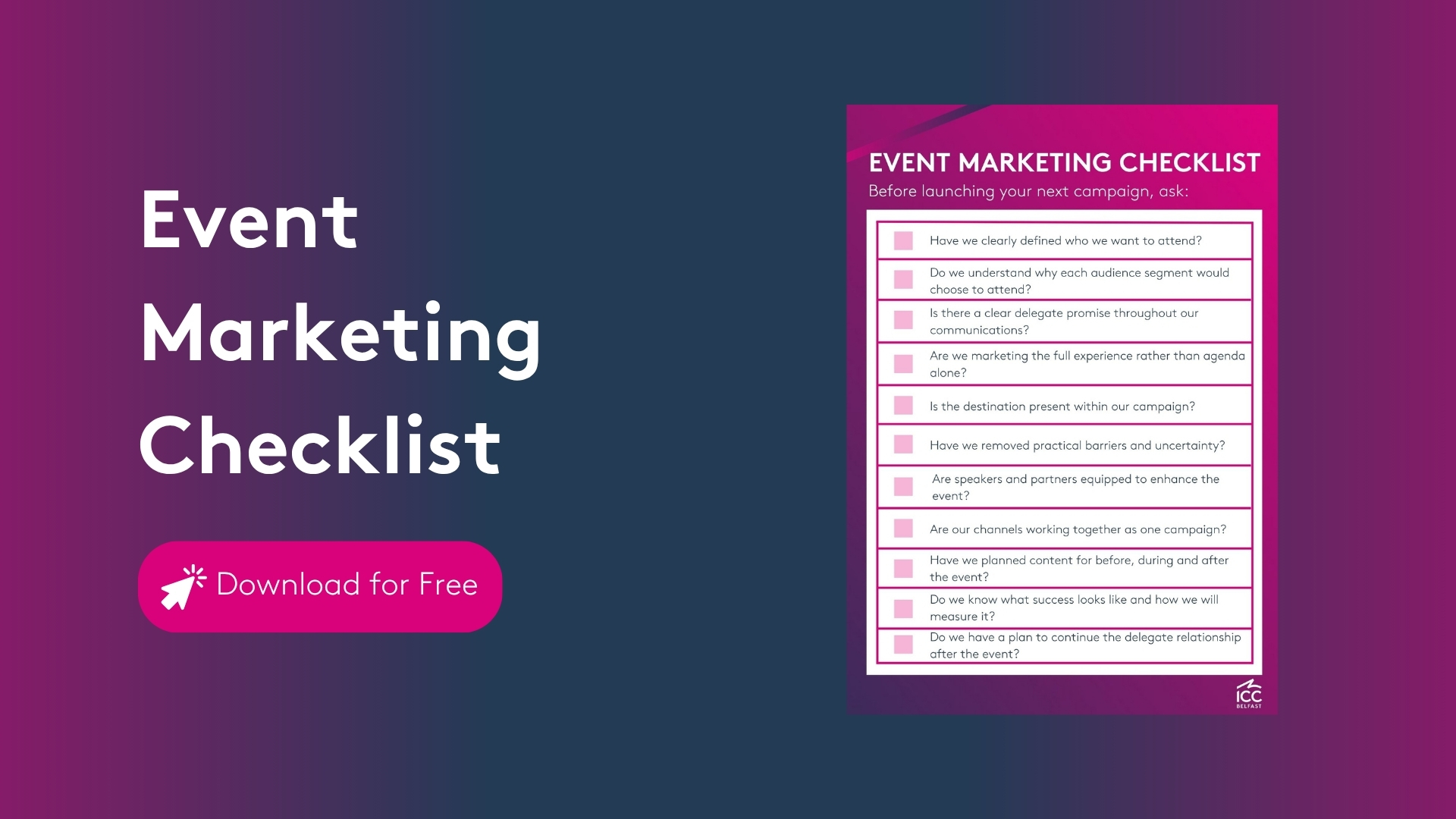
Event Marketing Checklist
Simplify the process of marketing your upcoming event by utilising ICC Belfast's comprehensive event marketing checklist. To obtain your own copy, proceed with the download.
Create an event people want to be part of
Ultimately, successful event marketing is not about convincing somebody to complete a registration form.
It is about demonstrating that the knowledge, people, destination and experiences waiting for them are worth showing up for.
By considering the full delegate journey from first impression to post event follow up, organisers can build campaigns that attract the right audiences, create stronger experiences and deliver greater long-term value.
At ICC Belfast, we work as an extension of the client and event organiser teams to help create memorable experiences from the moment Belfast is considered as the host destination to the moment delegates leave the city.
Planning your next event? Discover how ICC Belfast can help you create an experience your delegates will want to be part of.
Read Next


