Building a culture where everyone belongs



Lauren Farrell discusses diversity, equality and inclusion (DEI), the importance of embedding it across every touchpoint of the organisation, and the progress made to date.
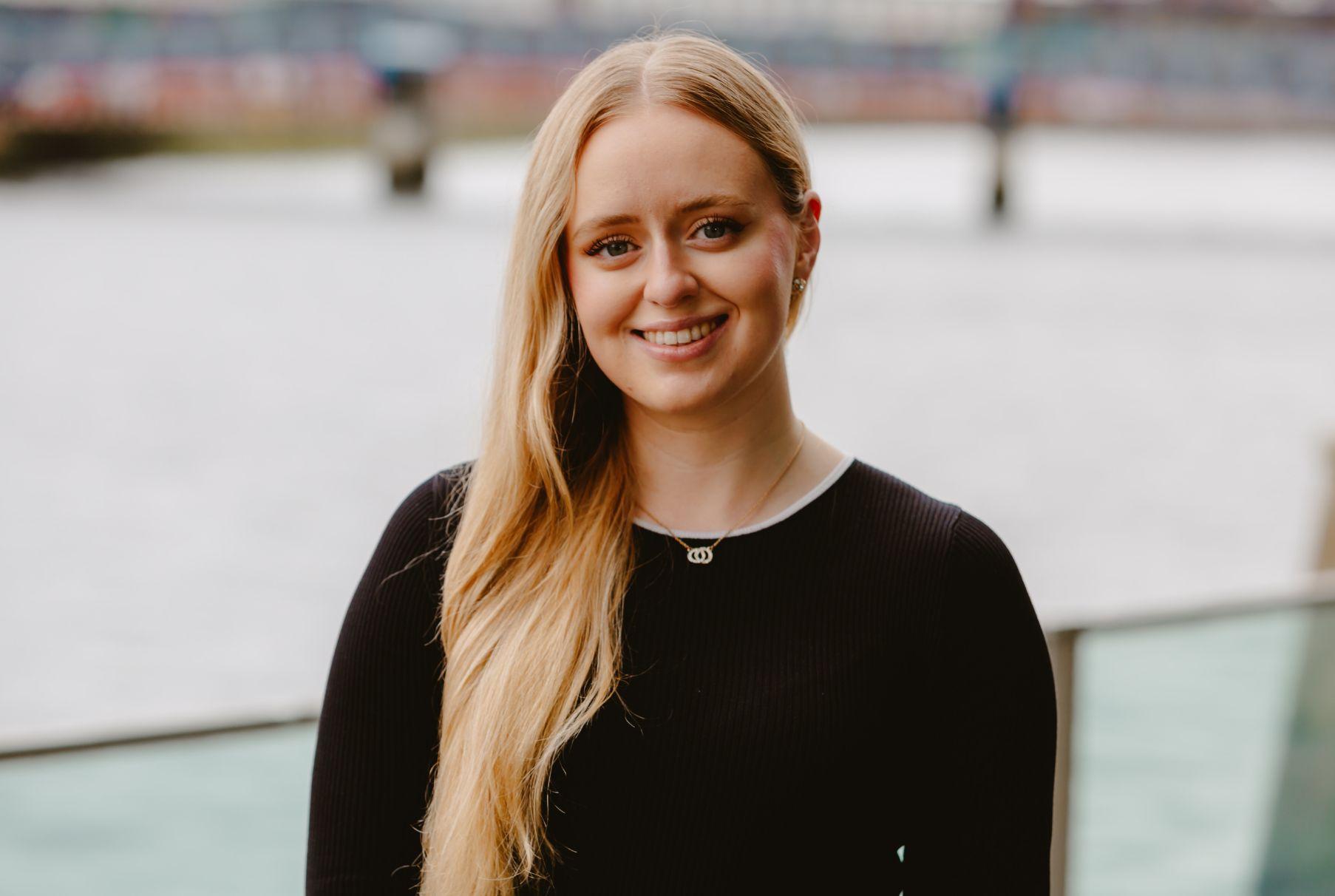
By Lauren Farrell, HR Business Partner, ICC Belfast, Waterfront Hall and Ulster Hall
As an HR professional, diversity, equality and inclusion (DEI) are central to the culture people should experience in every interaction with an organisation. It’s about looking at where barriers might exist, sometimes without us even realising it, and asking what we can practically do to remove them.
I’ve supported ICC Belfast, Waterfront Hall and Ulster Hall as an external HR consultant since 2021 and I joined the permanent team as HR Business Partner in 2025. Becoming part of the team gave me the opportunity not simply to advise on culture from the outside, but to live it alongside colleagues.
Today, I work with Clare McCann, our Director of People and Culture, partnering with teams across our three venues. My HR role spans recruitment and selection, employee support and policies, training and HR best practice.
Alongside my core HR responsibilities, I’m an active member of our Diversity Champions team and have helped to develop our EDI strategy. Inclusion touches every stage of working life, and as public venues, our responsibility reaches much further than our own people. It also affects the experience of tens of thousands of patrons, delegates and visitors who come through our doors.
Inclusion starts with the everyday
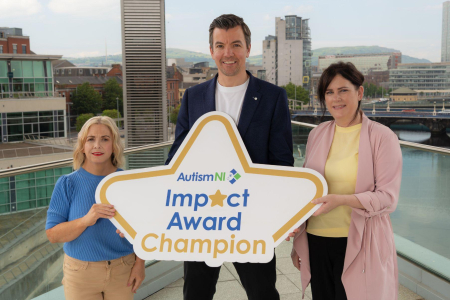
Embedding DEI can feel overwhelming when the wider societal challenges are so significant. Some of our recent work has included autism awareness and impact award re-accreditation, dementia awareness, LGBTQIA+ education, accessibility, neurodiversity and ways to provide safety for women experiencing violence or domestic abuse.
My approach is to begin with practical actions. Small changes, applied consistently, to remove barriers and build trust.
Recruitment is a clear example. We want to make applying for a job here as inclusive and ‘for everyone’ as we possibly can. For example, we reviewed job descriptions across departments and examined whether certain words could unintentionally discourage people from applying. Managers understandably want exceptional candidates, but language that places too much emphasis on traditionally assertive leadership traits can unintentionally create a narrow picture of what effective leadership looks like. Having worked with some amazing managers, I know that strong leaders don’t always need to have the loudest voice, they can also be reflective, collaborative and quietly effective. I work to ensure we’re not biasing how we seek the most suitable candidates to join our team.
We also consider the accessibility of application documents, from fonts and colours for people with dyslexia or a visual impairment, to the clarity of the language we use for essential role criteria.
As part of our commitment as a Disability Confident employer, we operate a Guaranteed Interview Scheme, where applicants with a disability who meet those criteria are offered an interview. This is not about different standards; it is about ensuring people have a fair opportunity to demonstrate what they can contribute. I believe that equality and fairness go closely hand in hand.
We have worked with employability organisations like Orchardville and the NOW Group which has also strengthened that work. When applicants tell us they are receiving support from an employment adviser, we can then discuss reasonable adjustments or explain the interview format in more detail. It’s encouraging that people feel comfortable to ask for support without feeling disadvantaged, and in turn, we can support them better to find their way into employment rather than repeatedly falling at the first hurdle.
Learning turns awareness into action
Recruitment is only one part of an inclusive culture. Our permanent and casual colleagues work together as one team to bring all of our events to life. Every colleague contributes to the event experience and deserves to understand the value of their role.
The DEI training and awareness programme we have built across the organisation gives people the confidence to turn good intentions into action. With our LGBTQIA+ or autism awareness training for example, the aim is not to make everyone an expert in every lived experience, it’s to challenge assumptions, broaden understanding and help colleagues respond respectfully when someone needs support.
The dementia awareness training was particularly powerful for me. Even though I’ve had personal experience of dementia in my family, I feel I learned so much. It changed what I notice in everyday situations and reminded me that patience, or a different way of communicating can transform someone’s experience.
We also now have trained mental health first aiders and designated safeguarding leads across the organisation. Knowledge is power, but it also gives confidence: knowing what to do, where to go and feeling assured that you will not be left to manage a difficult situation alone.
Our internal culture shapes the public experience
Our venues welcome clients, delegates, artists and audiences from many backgrounds. What we do internally as a body of staff, inevitably shapes how those people experience our hospitality.
That’s why accessibility measures like the JAM Card matter. When our teams understand that someone may need more time or a clearer explanation, we can help people participate with empathy. A lot of this is common sense but we place a real focus on making it core to how we welcome people.
Safeguarding is equally integral to inclusion. We can’t predict every situation, but we have established clear policies, and provided training to ensure colleagues know who can help. An inclusive culture is one in which people notice, listen and act appropriately. As an organisation, we have given these challenges consideration and we have people and processes in place to navigate them.
Progress requires challenge and accountability
External accreditation gives us an important level of challenge and accountability. Achieving the Bronze Diversity Mark recognised our progress, and we’re actively working towards Silver to look critically at where we are now, where we want to go next and what more we can do. The value for me is in the process, and having an external framework challenges us to keep progressing while ensuring that inclusion remains embedded in how we all work, and doesn’t just become a series of standalone initiatives. We’re committed to making all of these initiatives work because they are really important to us.
When inclusion is genuinely embedded, people feel it in the opportunity they are offered in a job, the culture of the place where they work and in the feedback they get from patrons. We want everyone to know that they have a place in our venues, and to feel welcome, valued and included. That’s what makes this work so rewarding and why I really love it.